Showing posts with label fall planting. Show all posts

10/2/20

Tips for the Garden - October 2020

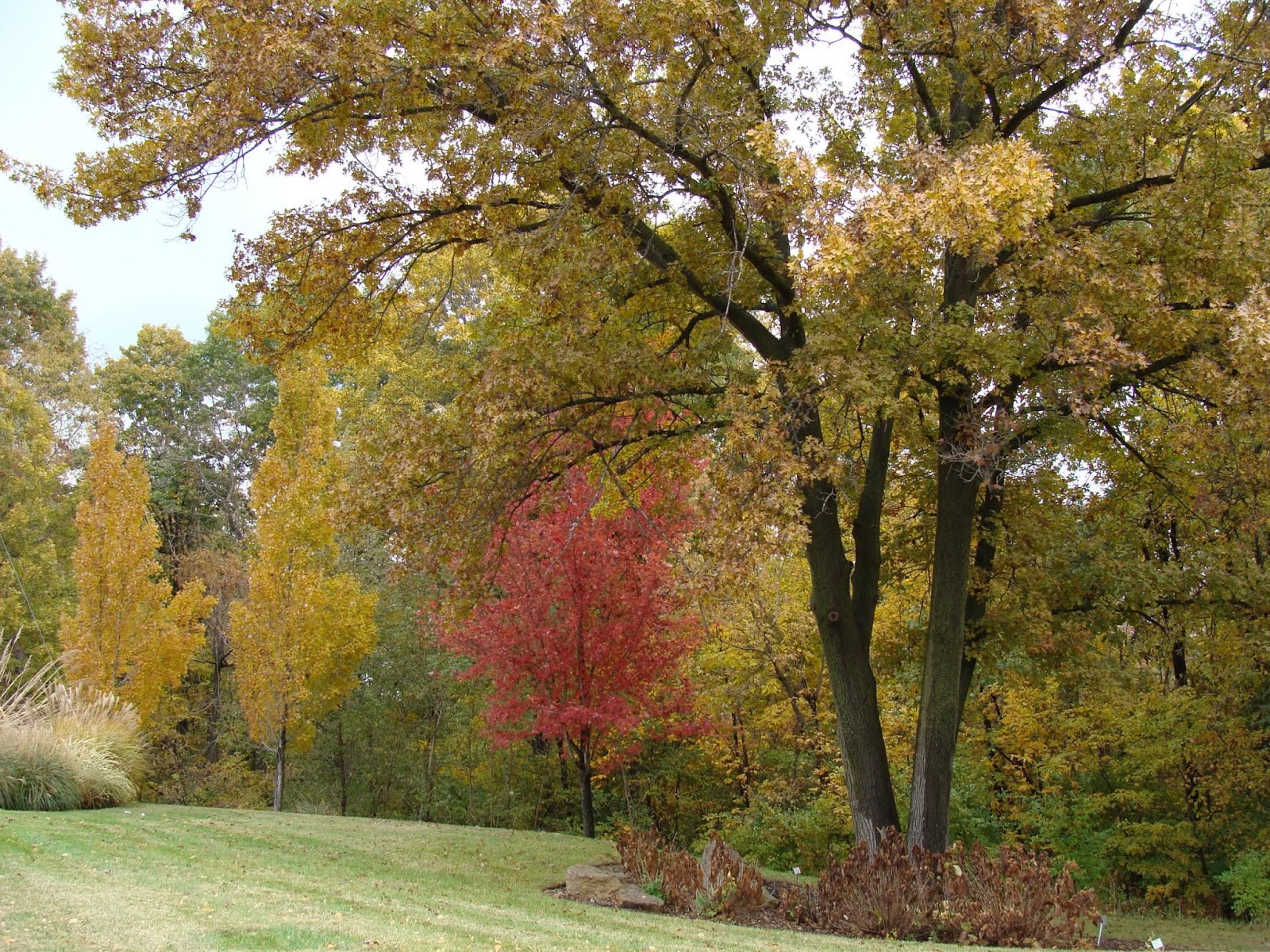
          Fall is the perfect time to evaluate the garden for improvement to your home’s curb appeal, and it is also the perfect time for planting. The cooler crisp days of October make it a great time to care for your yard and garden with the following tips:


·         YOUR CURB APPEAL can be enhanced by decorating with pumpkins, gourds, corn stalks, mums, pansies, kale, and the great selection of Fall plants that are available.

·         Lawn seeding should be finished by October 15th this month to insure growth yet this fall. Choose a seed mix for your specific lawn area; sun, shade, sun/shade, play, drought, etc.

·         Winterize lawn mowers before storage, by draining gasoline from the tank and the gas line.

·         Apply a Winterizer fertilizer on lawns anytime from mid October through November to promote green growth in early spring, the BEST of the neighborhood.

·         The average first frost usually arrives sometime between October 15th and October 20th.

·         You can gain a few degrees of frost protection by covering tender plants with sheets or lightweight fabric row covers. DO NOT USE PLASTIC; this tends to “draw in” the cold temperatures.

·         Dig up Cannas, Dahlias, and Elephant Ears after frost nips their foliage. Before storing them, allow the plants to dry under cover in an airy frost-free place. Store in a cool, dry area, such as a basement, in paper sacks with peat moss.

  •  Plant flower bulbs (Tulips, Daffodils, Crocus, etc.) for spring bloom. Plant them into groupings for a massed effect of spring color. To fertilize them, use bone meal or a complete bulb fertilizer at planting time.

·         October is an excellent month to plant trees, shrubs and perennials. This gives the plants a great start in the warm soil and cool weather of fall, with plenty of moisture in the spring to become established before the harsh summer heat and drought arrives.

·         Continue to water all your plants, especially evergreens, when soils are dry. Until the ground freezes, the plants need moisture for root growth even if they are going dormant.

·         After beds have been cleaned and raked, refresh them with bark mulch for the winter months.

·         Towards the end of October, trees should be fertilized with tree spikes at their drip line. Use one tree spike per one inch of tree trunk diameter. This will make for beautiful foliage next spring!

·         Harvest gourds when their shells become hard or when their color changes from green to brown.

·         DO NOT take hummingbird feeders down before mid October. The bird’s biological clock tells them when to migrate south. IT IS NOT dependent on how long we leave our feeders up. Stragglers migrating from areas that are more northern may also find your feeders for some needed nourishment.

            Enjoy your yard and garden in every season!


Time to go… See you in the Garden…
Sandi Hillermann McDonald
9/8/20

Tips for the Garden - September 2020


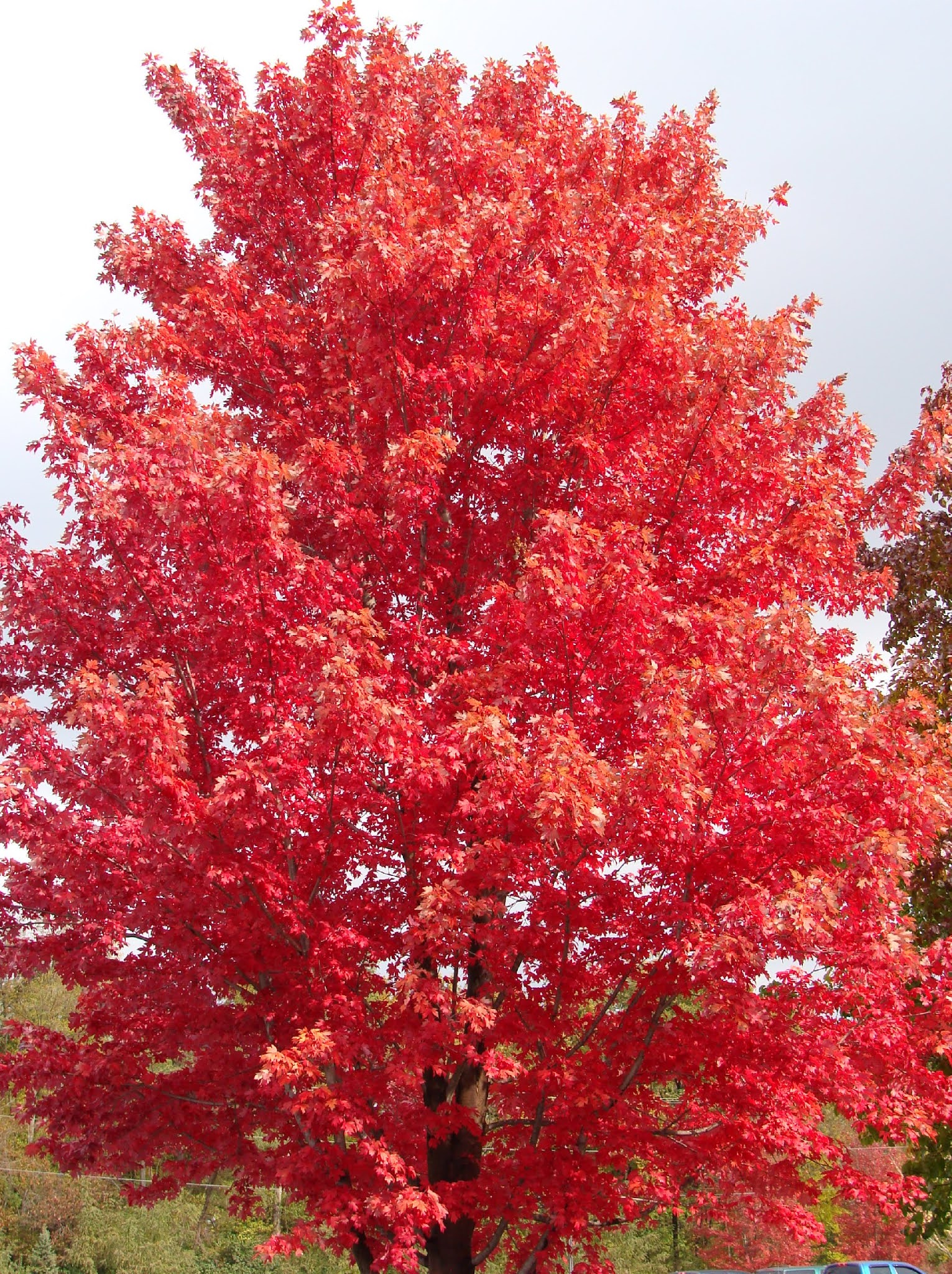
The weather has been quite different this year compared to last year’s drought, heat, etc. It was a nice change considering normal summer weather for our area. If you like to garden, now is the time for Fall gardening. Now is also the time to add color into the fall landscape with the cheerful faces of winter hardy pansies and violas, gorgeous garden mums, and unique varieties of ornamental cabbage and kale. Transform the entrance to your home into a welcoming, colorful fall display with plants, cornstalks, ornamental grasses, an assortment of pumpkins and squash, and maybe a scarecrow set on a hay bale.

Don’t forget spring flowering bulbs. Now is the time to get the best selection of varieties and colors. Fall bulb planting varieties include Tulips, Hyacinths, Daffodils and Crocus.  


September is perfect lawn renovation month. Aeration helps control thatch, improves the soil structure, helps create growth pockets for new roots, and opens the way for water and fertilizer to get to the roots of your lawn. Aeration is the process of removing thousands of small cores of soil 1” to 3” in length from your lawn. The holes in the soil created by aeration make perfect pockets for catching fertilizer and water. 

Once aeration is accomplished, it is a perfect time to over seed your lawn. Fescue grass seed blends are most common here in the Mid-Missouri area. Fescue blends take our summer heat and drought conditions better than Bluegrass seed mixes. Fescue lawn mixes tolerate heat, drought and traffic from kids and pets better. Over seed Fescue lawns at a rate of 2-3 lbs per 1,000 sq ft if you have a 50% stand of grass. After seeding, top dress with a starter type fertilizer, and you are ready to enjoy a beautiful green lawn for fall and spring!


The Fall of the year is perfect timing for tree planting. Proper sun exposure, soil moisture, and the available growth space needs to be assessed to help with tree selection. So, plant a tree this fall. You will help the environment, lower your electric bills, and enhance your property value.

Here are a few other quick tips for this month. Begin to adapt your houseplants for winter indoors. Check for pests and treat if necessary. Houseplants should be brought indoors at least one month before the heat is normally turned on. Sow fall vegetable crops through mid September. Harvest herbs now to freeze or dry for winter.  

Stay engaged with nature…
Sandi Hillermann McDonald


10/23/19

Tips for the Garden - October 2019


Wow! Fall is the perfect time to evaluate the garden for improvement, and it is the perfect planting time. The cooler crisp days of October are great for these following garden tips:

Lawn seeding should be finished by October 15th to insure germination and growth yet this fall. Choose a seed mix for your lawn area. Fescue blends are spread at a rate of 5-8 lbs. per 1,000 sq ft on bare ground and 3-5 lbs. per 1,000 sq ft on a lawn with a 50% stand of grass.

Be sure to aerate and renovate your yard when over seeding for BEST results. Without these steps, it is like throwing grass seed on to concrete. Have questions??? Ask the experts at your Hillermann’s.

Winterize your lawn mowers before storage, by draining gasoline from the tank and the gas line.  It is also a great time to sharpen the blades so you will be ready for spring.

Put a Winterizer fertilizer on all lawns from mid October through November to promote early spring green growth.  Now is a good time to apply lime if your soils indicate the need. (Acidic soils require lime, a pH of 6.8 or below.) Use the recommended rate of 50 pounds per 500 square feet per treatment.  Free pH testing is available at Hillermann’s.

YOUR HOME’S CURB APPEAL can be enhanced with pumpkins, gourds, corn stalks, mums, pansies, kale, and the great selection of other plants grown for the fall season.

The average first frost October 15th to October 20th. A few degrees of frost protection can be gained by covering tender plants with sheets, newspaper, burlap or lightweight fabric row covers. DO NOT USE PLASTIC; this tends to “draw in” the cold temperatures.


Plant bulbs now for spring bloom. Plant into groupings for a massed effect of spring color. To fertilize them, use bone meal.  Bulb container gardens can be planted with a lasagna type planting arrangement (layering of bulbs in potting soil).


October is an excellent month to plant trees, shrubs and perennials. This gives the plants a great start in the warm soil and cool weather of fall with plenty of moisture in the spring to become established before the harsh summer heat and drought. The plants’ roots will continue to develop under ground until freezing of the soil stops them.

DON’T take hummingbird feeders down before mid October. The bird’s biological clock tells them when to migrate south. THEY ARE NOT dependent on us removing the feeders at a certain time.  Hummingbirds who have started their migration will appreciate finding your feeders along the way.
          
            Enjoy your yard and garden in every season!

Time to go… See you in the Garden…
Sandi Hillermann McDonald

9/14/19

Garden Solutions - September 2019

By Sandi Hillermann McDonald, Hillermann Nursery & Florist

Fall is almost here! Where did the summer go? The kids are back in school. The weather has been quite different this year compared to last year’s drought, heat, etc. It was a nice change considering normal summer weather for our area. I am sure you have heard the phrase “Fall is for Planting,” but do you know why we say this? Given the mild temperatures and generally adequate rainfall, the conditions are excellent for establishing new plantings. The result are plants that grow faster and bigger, and they bloom better. The plant’s root systems get a second growing season before they have to manage our hot, dry summers. Roots will continue to grow until freezing of the ground stops them.

Transform the entrance to your home into a welcoming, colorful fall display with potted mums, cabbage and kale, cornstalks, ornamental grasses, an assortment of pumpkins and squash, and maybe a scarecrow set on a hay bale.

Don’t forget spring flowering bulbs. Now is the time to get the best selection. You have until the middle of December to get them planted. Fall bulb varieties include Tulips, Hyacinths, Daffodils and Crocus to name a few.

September is THE lawn renovation month. Even though this year’s wetter summer was not as harsh on our lawns, now is the time to consider renovation and aeration. Aeration helps control thatch, improves the soil structure, helps create growth pockets for new roots, and opens the way for water and fertilizer to get to the roots of your lawn. Aeration is the process of removing thousands of small cores of soil 1” to 3” in length from your lawn. These cores “melt” back into the lawn after a few rainfalls. The holes in the soil created by aeration make perfect pockets for catching fertilizer and water. Turf roots naturally grow toward these holes and thicken in the process. Aeration holes also relieve pressure from compacted soils, letting more oxygen and water move into the root zone of your lawn.

Once aeration is done, it is time to over seed your lawn. Fescue lawn mixes tolerate heat, drought and traffic from kids and pets better. After seeding, top dress with a starter type fertilizer, and you are ready to enjoy a beautiful green lawn for fall and spring!

The fall of the year is perfect timing for tree planting. You should give some thought to choosing varieties for that special spot. Sun exposure, soil moisture, and the available growth space needs to be assessed to help with tree selection. So, plant a tree this fall. You will help the environment, lower your electric bills, and enhance your property value.

Here are a few other quick tips for this month. Begin to adapt your houseplants for winter indoors. Check for pests and treat if necessary. Houseplants should be brought indoors at least one month before the heat is normally turned on. Sow fall vegetable crops through mid September. Harvest herbs now to freeze or dry for winter.

See you in the Garden……
Sandi Hillermann McDonald

10/8/17

Garden Solutions - October 2017


This month I am going to focus on bulbs, trees and pumpkins!


DIG----DROP----DONE!!!

For those frustrated by gardens already too full, flower bulbs are delectable treats to tuck easily amongst established shrubs and perennials. Spring-flowering bulbs are planted in the fall because most need a period of cold conditioning to activate the biochemical process that induces them to flower. In general they are best planted when soil temperatures have started to cool, and, optimally, at least six weeks before the first hard, ground-freezing frosts.  This translates to anywhere from early October to November and even December in our climate. Whether a garden bed is bursting at the seams or rather bare, there’s always room for bulbs.  And the process is as easy as…….DIG—DROP—DONE!!  ENJOY!!!!

 
The Many Benefits of Planting Trees

 
               Most often, we plant trees to provide shade and add beauty to our landscape. These are great benefits, but trees also provide many less obvious benefits. Consider all the benefits listed below and remember fall is the perfect time to plant trees for an increased success rate next spring.

•             Trees are perfect for planting as living memorials, to remind us of loved ones, or to commemorate significant events in our lives.

•             Even though you may own the trees on your property, your neighborhood may benefit from them as well. Through careful planning, trees can be an asset to your entire community.

•             Tree lined streets have a traffic calming effect, traffic moves more slowly and safely.

•             Trees can be placed to screen unwanted views or noise from busy highways.

•             Trees improve our air quality by filtering harmful dust and pollutants such as ozone, carbon monoxide, and sulfur dioxide from the air we breathe.

•             Trees give off oxygen that we need to breathe.

•             Trees reduce the amount of storm water runoff, which reduces erosion and pollution in our waterways and may reduce the effects of flooding.

•             Many species of wildlife depend on trees for habitat. Trees provide food, protection, and homes for many birds and mammals.

•             Evergreen trees on the north side of your home and shrubs around the foundation of your home can act as a windbreak to reduce the cooling effects of winter winds.

•             The value of a well landscaped home with mature healthy trees can be as much as 10% higher than a similar home with no or little landscaping. (Topping trees will reduce their value.)


Preserving and Firming Up a Pumpkin

                There are ways to help keep your pumpkin fresher and firmer.  Cut open the top of the pumpkin and clean out all the seeds. Fill a washtub, sink or large bucket with cold water, and soak the pumpkin in the cold water. If you have fine detail work to do, you may want to let your pumpkin soak overnight. This will firm up the pumpkin flesh and allow you to do carving that is more intricate. You can add a small amount of unscented Clorox bleach in the water to prevent premature mold and bacteria growth.

                Once you have carved your pumpkin, you can add a thin amount of petroleum jelly on the exposed cut edges. This will help seal moisture in the flesh of the pumpkin. If the pumpkin dries out, it will shrivel. You can try to revive it by soaking it in a bath of cold water for one to eight hours. Longer is better. Overnight will not hurt.

                You can prepare your pumpkins ahead of time and keep them fresh for a future party or gathering. Soak them first. Wrap them in plastic wrap to hold in the moisture and store them in the refrigerator (not the freezer). They will stay fresh this way for a very long time.

                Once you remove a wet pumpkin for display, you should immediately dry it off. This prevents mold from having a chance to grow.

Now, enjoy all that the month of October has to offer and I will…
See you in the garden.

Sandi Hillermann McDonald


11/6/15

Garden Solutions - November 2015

        Our fall season has been very dry. Even though the foliage on trees and shrubs is gone, the roots need moisture to build up spring buds and increase root growth. The amount of water needed may be less than when the foliage was on the plants, but water is still very important.
It is sad to watch the garden fading into winter, but at least we don’t have to say goodbye. Spring will return, as naturally as the sun will rise tomorrow morning. All we have to do is get the garden prepped so that it can rest until its renewal a few months from now. Here is a to-do list that will help you prepare your garden for its winter’s nap.
        Clean out and cut back. Loads of dead leaves and rotten stalks on plants can harbor disease, even through the winter season. But, don’t cut all your plants back to the ground, and don’t pick up every leaf. It is a great treat to leave some seed heads on plants for the winter birds and on ornamental grasses for their winter art in the garden.  Leaving some plant stalks to protect the crowns of tender perennials is also beneficial.
        Cover up. Mulch is the best winter protection for your plants. Wood mulch is the most common. Wait until the ground has frozen slightly, usually around Thanksgiving for us, to ensure the plants are in their dormancy state. If the snow falls before you get the opportunity to get the job done, mulch over the snow. Some woody perennials and shrubs may benefit from soil mounded around the base. These plants, in our area include, roses, crape myrtle, butterfly bushes to name a few. Tender shrubs may need to be screened or wrapped with burlap or something similar, not plastic.
        Dig in. There is still time to plant some garden jewels this month. Trees, shrubs and plants that have a root ball larger than a gallon can be put into the ground. In addition, now is the time to plant those spring beauties we call bulbs. To enjoy the beauty and bright colors of tulips, hyacinths, and daffodils as well as crocus and alliums in spring, plant them NOW. Bulbs need 10-12 weeks of cold soil temperatures. Therefore, in our area you can plant up to the Christmas season, as long as frost hasn’t built up in the soil. 
        Write down. You will find that a garden log or journal will be very helpful next spring when you’re trying to identify those first tentative green shoots and wondering whether you divided that Hosta plant last fall or should you do it now. Draw a basic diagram of each bed, noting the plants and adding photos where you can. A little extra effort with your journal will pay off next spring.
        Here are a few other duties to think about this month of November. Continue mowing lawn grasses as long as they keep growing, 3” is a good height. Apply Winterizer fertilizer to lawns to strengthen plant stems and roots for winter growth and early spring green up.
        Cover garden ponds with bird or pond netting to prevent leaves from fouling the water. Oxygen depletion from rotting organic matter can cause a winterkill of pond fish. Take steps to prevent garden ponds from freezing solid in winter. Using a floating garden heater in the pond will lessen the chance of ice damage.
        Set up bird feeders. Birds also appreciate a source of unfrozen drinking water during the winter. Use one of the many styles of birdbath heaters or heated birdbaths available at garden centers. When feeding the birds, set up a variety of feeder types to get the best assortment of birds to come to your yard. Tube feeders are good for songbirds, platform feeders are good for cardinals and larger birds, and suet is a great source of fat and energy for woodpeckers and all bird types.
        Enjoy the antics of wildlife and the beauty of plant art in the garden during this upcoming winter season. I will give you more to look forward to in the winter garden in December. Until then, Happy Thanksgiving to all and enjoy the outdoors as much as possible.


See you in the garden,
Sandi Hillermann McDonald


9/17/15

Garden Solutions - September 2015


The Best Time of Year is NOW!!!

       When I was a kid, I loved summer---no school, warm sunshine and lots of fun and mischief to get into.  Now that I’m a Grandma, my thoughts on the seasons has also matured.  Over the years, I have come to enjoy all the offerings of fall.  The cool, crisp mornings that gives way to warm days and starry nights.  Fall color in Missouri is exceptional with the turning of leaves on trees-colors so vivid and alive that they jump out of the landscape.  Driving past fields of pumpkins gets the kids excited that Halloween candy is yet to come.  The treat of eating sweet grapes fresh off the vine and juicy apples plucked from the trees comes to mind.  And of course, fall sports begin soon.

       There is no better time of year than this abundant season to catch your bearings, reevaluate the year, enjoy the harvest and relax.  It is also the best time to take a few moments to invest in your home.  There are many simple tasks you can do now to help save yourself time in spring when you are twice as busy.

PLANT, PLANT, PLANT

       Fall in Missouri is the ideal time of year to plant all kinds of things from cool-season vegetables to turf grasses, and especially shrubs, evergreens and deciduous trees.  Yet, when it comes to planting, many gardeners only think of the spring.  Why is fall such an ideal time to plant?  First, the warm soil in the fall helps encourage root growth.  The plants roots continue to grow through our mild winters, and become well established by the spring.  This makes fall plantings much better equipped to handle our heat and drought once summer finally arrives.  In addition, our fall and spring rains help do all the work in establishing your plants so you don’t have too.  There are also fewer pests and disease problems to attack your plant while it is young.

       When fall arrives, I want to see bright oranges, vibrant yellows, and fiery reds.  These fall colors bring life back to our landscapes after the summer sun has faded most of the blooms.  The natural turning of leaves into their disguised color of glory brings a new energy to our yards and awakens our senses.  Right now, you can find selections of trees and shrubs especially bred for fall color.  There is no reason to have hum-drum containers during fall when there are Garden Mums and Fall/Winter Pansies to replace our burnt out summer annuals.  Fall cool crops known as Fall Magic are also great additions to beautiful fall containers.

       Home decorating is great fun also to add pumpkins, corn stalks, gourds and other harvest items to the landscape or porch décor.

       In addition, don’t forget fall bulbs.  Now you will find the best selection, and you have till Christmas to get them into the ground for spring blooming.  Bulbs need 10 weeks of cold weather to create their magnificent spring show.  Many varieties and colors are popping up in this category of plants as well.  I will spend more time on bulbs in October.

THE POST SEASON WRAP UP

One of the best-kept secrets to the most lavish landscapes is autumn restoration.  Just a few garden chores done in the fall will lead to spring and summer pay-offs that are well worth the work.  Things to do now include:

Pull Weeds:  Clean up your yard by pulling weeds.  Then apply a pre-emergent such as Preen containing Trifluran.  This will keep your yard looking nice and weed free for months to come.

Fertilize:  It is important to fertilize your evergreens and conifers at this time because their root systems continue to grow throughout the late fall and even into the winter till ground frost appears.  An application of Osmocote or plants spikes is ideal for this task.  The plants take up these nutrients and are ready to explode when the spring growing season arrives.

Prepare Your Lawn:  Were you disappointed in your lawn this year?  Well, now is the time to prepare your lawn for next spring!  Aerate and thatch it if the soil is compacted.  This will allow the soil to drain better and give it much needed oxygen to the roots.  Seeding can be done as well as fertilizing.  Seeding in early fall will give the roots plenty of time to become established before winter.  Fertilize with a winter type fertilizer to build nutrients up in the root system.  This will keep your lawn from going into the winter hungry and it will help it take off much faster next spring.


Enjoy the cool crisp air and I’ll………..see you in the Garden

Sandi Hillermann McDonald


9/5/12

Garden Solutions - September 2012

The Best Time of the Year is NOW!!!
When I was a kid, I loved summer - no school, warm sunshine and lots of fun and mischief to get into. Now that I am a Grandma, my season preferences have also matured. Over the years, I have come to enjoy all the offerings of fall. The cool, crisp mornings that gives way to warm days and starry nights. Fall color in Missouri is exceptional with the turning of leaves on trees - colors so vivid and alive that they jump out of the landscape. Driving past fields of pumpkins gets the kids excited that Halloween candy is yet to come. The treat of eating sweet grapes fresh off the vine and juicy apples plucked from the trees. And of course, fall sports begin soon.

There is no better time of year than this abundant season to catch your bearings, reevaluate the year, enjoy the harvest and relax. It is also the best time to take a few moments to invest in your home. You can do many simple tasks now that save you time in the spring when you are twice as busy.

Our yards definitely DID suffer this summer. Thank goodness, the hottest month of the year is now behind us. Well, there is no better time to renovate and reseed than this month of September. In fact, the perfect window of opportunity for yard growth is August 15th- October 15th. Even though it may be hot and dry, it is the perfect time of year to aerate and over seed established yards. The process should be done as follows: Cut the lawn a little shorter than normal, 2-3 inches. Then run over the yard with a core aerator (this machine pulls plugs out of the ground about the size of your little finger). This whole process works best after a good rain or a deep watering. The core aeration process helps with the soil aeration, lessens soil compaction and makes for better, stronger grass root systems. Now, run a renovator over the area. This machine slices the ground with many little teeth and will break down the dirt clods from the core aeration process and bring up any dead thatch in the area. Now you are ready to sow your grass seed (use a 50% spread rate for a 50% stand of grass) and add fertilizer (a starter type fertilizer that is high in phosphorus is best). For a 50% stand of grass or less, you will not need additional cover such as straw. If you are over seeding bare areas or new lawn areas, you will need to straw these areas to hold moisture for seed protection. For the specific grass seed type, shop for seed specific to your area of need: shade, sun, part-shade and sun, etc. There are special grass seed mixes made up for our Mid-Missouri region that perform beautifully here so, make sure you check that out for guaranteed success.

You can then re-fertilize and add a Winterizer fertilizer to the entire area in late October or November. This whole process will “promise” you a beautiful strong lawn for spring of next year. Water is, of course, essential for this growth if Mother Nature doesn’t cooperate. New lawn installations are also best at this time of year as well.

You need to continue thinking about watering during this month … and remember that there are ways to make it economical and easy, just ask the experts. The wildlife in your yard, as well as all new and established plantings, needs our help this year as we have experienced several exceptionally dry summers. Fall in Missouri is the ideal time of year to plant all kinds of things from cool-season vegetables to turf grasses, and especially shrubs, evergreens or deciduous trees. Yet, when it comes to planting, many gardeners only think of the spring. Why is fall such an ideal time to plant? First, the warm soil in the fall helps encourage root growth. The roots continue to grow through our mild winters becoming well established by the spring. This makes fall plantings much better equipped to handle our heat and drought once summer finally arrives. In addition, our fall and spring rains help do the work in establishing your plants, which reduces the care responsibilities and increases your success rate. There are also fewer pests and disease problems to attack your plant while it is young.

When fall arrives, I want to see bright oranges, vibrant yellows, and fiery reds. These fall colors bring life back to our landscapes after the summer sun has faded most of the blooms. The natural turning of leaves into their disguised color of glory brings a new energy to our yards and awakens our senses. Right now, you can find selections of trees and shrubs especially bred for fall color. There is no reason to have humdrum containers and flowerbeds during fall when there are Garden Mums and Fall/Winter Pansies to replace our burnt out summer annuals. Fall cool season plants known as Fall Magic are also great additions to beautiful fall containers, and we have a great selection.

Fall bulbs are another planting option you should consider at this time. You will find the best selection now, and you have until Christmas to get them into the ground for spring blooming. Bulbs need 10 weeks of cold weather to create their magnificent show. Many varieties and colors are popping up in this category of plants as well. I will talk more about bulbs in the October article. Enjoy the cool crisp air, and I will …...See you in the Garden.

Sandi Hillermann McDonald

10/3/11

Garden Solutions - October 2011


Wow! What a welcome feeling to have cooler days and lower humidity. This is truly a beautiful time of year. It is a time of year we want to get back outside, reclaim our yards and gardens, and enjoy the fresh air. It is time for fall barbeques and bonfires and hayrides. Fall is the perfect time to evaluate the garden for improvement to your curb appeal, and it is the perfect planting time. The cooler crisp days of October are great for these following garden tips:

• Lawn seeding should be finished by October 15th this month to insure germination and plant growth yet this fall. Choose a seed mix for your specific lawn area: sun, shade, sun/shade, play, drought, etc. Fescue mixtures are best for durability for our area. Fescue blends are spread at a rate of 5 lbs. per 1,000 sq ft on bare ground and 2-3 lbs. per 1,000 sq ft on a lawn with a 50% stand of grass.
• Be sure to aerate and renovate your yard when over seeding for BEST results. Without these steps, it is like throwing grass seed on to concrete because our soil is so hard now from such a dry summer. Have questions??? Ask the experts at your local garden center.
• Keep leaves raked or blown off of lawns to prevent smothering new grass plants, especially in shady areas.
• Winterize your lawn mowers before storage, by draining gasoline from the tank and the gas line. It is also a great time to sharpen the blades so you will be ready for spring!
• Put a Winterizer type fertilizer on all lawns from mid October through November to promote early spring green growth, and have the best-looking lawn in the neighborhood.
• Now is a good time to apply lime if your soil tests indicate the need. (Acidic soils require lime, a pH of 6.8 or below.) Use the recommended rate of 50 pounds per 500 square feet per treatment. Free pH testing is available at most independent garden centers.
• YOUR HOME’S CURB APPEAL can be enhanced with pumpkins, gourds, corn stalks, mums, pansies, kale, and the great selection of other plants that are grown for the fall season!! Check out some of the great new selections available today! Ornamental grasses add a lot of texture as well. Let your imagine run wild!
• Pre-emergent herbicides can be applied to control cool season weeds, such as chickweed and henbit now. You can apply either a granular or liquid application to an established lawn.
• The average first frost usually arrives about October 15th to October 20th. A few degrees of frost protection can be gained by covering tender plants with sheets, newspaper, burlap or lightweight fabric row covers. DO NOT USE PLASTIC; this tends to “draw in” the cold temperatures.
• Cannas, Dahlias and Elephant Ears can be dug when frost nips their foliage. Before storing them, allow the plants to dry under cover in an airy frost-free place, such as a carport. Store them in a cool, dry area such as a basement in paper sacks packed with peat moss. Drying bulbs thoroughly will keep them from rotting.
• Plant bulbs now for spring bloom (Tulips, Hyacinths, Daffodils, Crocus, etc.). Plant bulbs into groupings for a massed effect of spring color. To fertilize them, use bone meal or a complete bulb fertilizer at planting time.
• Bulb container gardens can be planted with a lasagna type planting arrangement (layering of bulbs in potting soil). Check with your garden center for ideas and recipes on this feature.
• October is an excellent month to plant trees, shrubs and perennials. This gives the plants a great start in the warm soil and cool weather of fall with plenty of moisture in the spring to become established before the harsh summer heat and drought arrives. The plants’ roots will continue to develop under ground until frost in the ground literally stops them!
• Continue to water your plants, especially evergreens, since soils are dry. Until the ground freezes, they need moisture for root growth even if they are going dormant. Once a week should be sufficient.
• After perennial and flower beds have been cleaned and raked for winter preparation, refresh them with a bark mulch for the winter months at a depth of 2-3”.
• Towards the end of October, trees should be fertilized and tree spikes at their drip line are a perfect choice. Use one tree spike per one inch of tree trunk diameter. This will make for beautiful foliage next spring! (The diameter of the tree is a measurement found at a cross section of the trunk 12” above the ground)
• Gourds should be harvested when their shells become hard or when their color changes from green to brown.
• DON’T take hummingbird feeders down before mid October. The bird’s biological clock tells them when to migrate south. THEY ARE NOT dependent on us removing the feeders at a certain time! Hummingbirds who have started their migration will appreciate finding your feeders along the way.

Enjoy your yard and garden in every season!

Time to go……….See you in the Garden…………..
Sandi Hillermann McDonald

9/9/11

Garden Solutions - September 2011

The kids are back in school and off to college, and it is time to get back to work in the yard and garden since you may have put off your outdoor living projects this summer because of bonding, vacations and sports programs … or hot, dry weather.

Our yards definitely DID suffer this summer. Thank goodness, the hottest month of the year is now behind us. Well, there is no better time to renovate and reseed than this month of September. In fact, the perfect window of opportunity for yard growth is August 15th- October 15th. Even though it may be hot and dry, it is the perfect time of year to aerate and over seed established yards. The process should be done as follows: Cut the lawn a little shorter than normal, 2-3 inches. Then run over the yard with a core aerator (this machine pulls plugs out of the ground about the size of your little finger). This whole process works best after a good rain or a deep watering. The core aeration process helps with the soil aeration, lessens soil compaction and makes for better, stronger grass root systems. Now, run a renovator over the area. This machine slices the ground with many little teeth and will break down the dirt clods from the core aeration process and bring up any dead thatch in the area. Now you are ready to sow your grass seed (use a 50% spread rate for a 50% stand of grass) and add fertilizer (a starter type fertilizer that is high in phosphorus is best). For a 50% stand of grass or less you will not need additional cover such as straw. If you are over seeding bare areas or new lawn areas, you will need to straw these areas to hold moisture for seed protection. For the specific grass seed type, shop for seed specific to your area of need: shade, sun, part-shade and sun, etc. There are special grass seed mixes made up for our Mid-Missouri region that perform beautifully here so, make sure you check that out for guaranteed success.

You can then re-fertilize and add a Winterizer fertilizer to the entire area in late October or November. This whole process will “promise” you a beautiful strong lawn for spring of next year. Water is, of course, essential for this growth if Mother Nature doesn’t cooperate. New lawn installations are also best at this time of year as well.

You need to continue thinking about watering during this month … and remember that there are ways to make it economical and easy, just ask the experts. The wildlife in your yard, as well as all new and established plantings, needs our help this year as we have experienced several exceptionally dry summers.

Now turn your focus to Fall Decorations … and change the Curb Appeal of your yard by giving it a face lift for fall. Change out those summer containers and flower beds with fall bedding plants that work long into the fall season, which in our case here in MO can be thru mid Nov. You should be able to find such plants as pansies, ornamental cabbage, kale, cool season annuals, ornamental grasses, hardy garden mums and MUCH more. Don’t forget to add in straw, corn stalks, pumpkins and gourds to give your displays a complete look. Extend the look of your outdoor room and enjoy the fall season outdoors.

Fall bulbs are available now and should be considered for spring color in your garden! So start to think ahead to next year’s blooms, and get in on the action now.

For additional information about fall garden tips, check out this website: www.hillermann.com.

Time to go……….See you in the Garden…………..
Sandi Hillermann McDonald

8/25/10

Garden Solutions - September 2010

There is no better time of year than this abundant season to catch your bearings, reevaluate the year, enjoy the harvest and relax. It is also the best time to take a few moments to invest in your home. There are many simple tasks you can do now, that will save time in the spring when you are twice as busy.

The kids are back in school and off to college. That makes it a good time to get back towork in the yard and garden. Especially if you have put your outdoor living projects off this summer because of bonding, vacations and sports programs…...or hot, dry weather.

Our yards definitely DID suffer this summer. Thank goodness, the hottest month of the year is now behind us. Well, there is no better time to renovate and reseed than during this month of September. In fact, the perfect window of opportunity for lawn growth is August 15 - October 15. Even though it may be hot and dry, it is the perfect time of year to aerate and over seed established yards.

The process should be done as follows: Cut the lawn a little shorter than normal (2-3 inches). Then run over the yard with a core aerator (this machine pulls plugs out of the ground about the size of your little finger). This whole process works best after a good rain or a deep watering. The core aeration process helps with the soil aeration, lessens soil compaction and makes for better, stronger grass root systems. Now, run a renovator over the area. This machine slices the ground with many little teeth and will break down the dirt clods from the core aeration process and bring up any dead thatch in the area.

After the aeration process is completed, you are ready to sow your grass seed (use a 50% spread rate for a 50% stand of grass) and add fertilizer (a starter type fertilizer that is high in phosphorus is best). For a 50% stand of grass or less, you will not need additional cover such as straw. If you are over seeding bare areas or new lawn areas, you will need to straw these areas to hold moisture for seed protection. For the specific grass seed type, shop for seed specific to your area of need: shade, sun, part-shade and sun, etc. Check with your local independent garden center for special grass seed mixes that are specially blended for your region for the best performance.

Once you have sown the grass seed, you can apply a starter fertilizer. Then, add a Winterizer fertilizer to the entire area in late October or November. This whole process will “promise” you a beautiful strong lawn for spring of next year. Water is, of course, essential for this growth if Mother Nature does not cooperate. New lawn installations are also best at this time of year as well.

NOW PLANT, PLANT, PLANT
Fall in Missouri is the ideal time of year to plant all kinds of things from cool-season vegetables to turf grasses, and especially shrubs, evergreens or deciduous trees. Yet, when it comes to planting, many gardeners only think of the spring. Why is fall such an ideal time to plant? First, the warm soil in the fall helps encourage root growth. The roots continue to grow through our mild winters becoming well established by the spring. This makes fall plantings much better equipped to handle our heat and drought once summer finally arrives. Plus, our fall and spring rains help do the work in establishing your plants so you don’t have to do as much. During this time, there is also fewer pests and disease problems to attack your plant while it is young.

Planting trees in the fall of the year is perfect timing to get better results. Choosing varieties for that special spot should be given some thought. The Washington Urban Forestry Council has developed a “Tree List” that can be found on the City of Washington’s website (http://www.ci.washington.mo.us/) under City Departments, Parks & Recreation, and Urban Forestry Council. The list is broken down into different categories that make choosing a tree variety very easy. So plant a tree this fall. You will help the environment, lower your electric bills, and enhance your property value.

Now turn your focus to Fall Decorations….and change the Curb Appeal of your yard by giving it a face-lift for fall. Change out those summer containers and flowerbeds with fall bedding plants that work long into the fall season, which in our case here in Missouri can be thru mid November. You should be able to find such plants as pansies, ornamental cabbage, kale, Fall Magic annuals, ornamental grasses, hardy garden mums and MUCH more. Don’t forget to add in straw, corn stalks, pumpkins and gourds to give it a complete look. Extend the look of your outdoor room and enjoy the extended season.

Fall bulbs are available now and should be considered for spring color in your garden! So start thinking ahead to next year and get in on the action now.

*For additional information about fall gardening and tips, check out the following website: http://www.hillermann.com/.

Time to go………..See you in the Garden
Sandi Hillermann McDonald

8/25/09

September Tips for the Garden 2009

The Best Time of the Year is NOW!!!

When I was a kid, I loved summer - no school, warm sunshine and lots of fun and mischief to get into. Now that I am a Grandma, my season preferences have also matured. Over the years, I have come to enjoy all the offerings of fall. The cool, crisp mornings that gives way to warm days and starry nights. Fall color in Missouri is exceptional with the turning of leaves on trees - colors so vivid and alive that they jump out of the landscape. Driving past fields of pumpkins gets the kids excited that Halloween candy is yet to come. The treat of eating sweet grapes fresh off the vine and juicy apples plucked from the trees. And of course, fall sports begin soon.

There is no better time of year than this abundant season to catch your bearings, reevaluate the year, enjoy the harvest and relax. It is also the best time to take a few moments to invest in your home. You can do many simple tasks now that save you time in the spring when you are twice as busy.

PLANT, PLANT, PLANT
Fall in Missouri is the ideal time of year to plant all kinds of things from cool-season vegetables to turf grasses, and especially shrubs, evergreens or deciduous trees. Yet, when it comes to planting, many gardeners only think of the spring. Why is fall such an ideal time to plant? First, the warm soil in the fall helps encourage root growth. The roots continue to grow through our mild winters becoming well established by the spring. This makes fall plantings much better equipped to handle our heat and drought once summer finally arrives. In addition, our fall and spring rains help do the work in establishing your plants, which reduces the care responsibilities and increases your success rate. There are also fewer pests and disease problems to attack your plant while it is young.

When fall arrives, I want to see bright oranges, vibrant yellows, and fiery reds. These fall colors bring life back to our landscapes after the summer sun has faded most of the blooms. The natural turning of leaves into their disguised color of glory brings a new energy to our yards and awakens our senses. Nowadays, you can find selections of trees and shrubs especially bred for fall color. There is no reason to have humdrum containers and flowerbeds during fall when there are Garden Mums and Fall/Winter Pansies to replace our burnt out summer annuals. Fall cool season plants known as Fall Magic are also great additions to beautiful fall containers and beds. Home decorating in fall is great fun also by adding pumpkins, corn stalks, gourds and other harvest items to the landscape or porch décor.

Fall bulbs is another subject you should consider at this time. You will find the best selection now, and you have until Christmas to get them into the ground for spring blooming. Bulbs need 10 weeks of cold weather to create their magnificent show. Many varieties and colors are popping up in this category of plants as well. I will talk more about bulbs in the October “Tips for the Garden” article.

THE POST SEASON WRAP UP
One of the best-kept secrets to the most lavish landscapes is autumn restoration. Just a few garden chores done in the fall will lead to spring and summer pay-offs that are well worth the work.
Things to do now include:
Pull Weeds: Clean up your yard by pulling weeds. Then apply a pre-emergent such as Preen containing Trifluran in the landscape beds. This will keep your yard looking nice and weed free for months to come.
Fertilize: It is important to fertilize your evergreens and conifers at this time because their root systems continue to grow throughout the late fall and even into the winter until ground frost appears. An application of Osmocote or plants spikes is ideal for this chore. The plants take up these nutrients and are ready to explode when the spring growing season arrives.
Prepare Your Lawn: Were you disappointed in your lawn this year? Well, now is the time to prepare your lawn for next spring! Aerate and de-thatch it if the soil is compacted. This will allow the soil to drain better and give it much needed oxygen. It is a good time to seed lawns as well as fertilize them. Seeding in early fall will give the roots plenty of time to become established before winter. Fertilize with a winter type fertilizer in late fall to build nutrients up in the root system. This will keep your lawn from going into the winter hungry stage, and it will help it take off much faster this spring.

Enjoy the cool crisp air and I will …...See you in the Garden
Sandi Hillermann McDonald

10/31/08

November Tips for the Garden 2008

We have definitely had more moisture than usual this year. However, you still want to watch for dry periods and water your plants if the soil dries out, especially for new plantings. Roots of plants grow in winter months and need moisture before the ground freezes. You can plant trees and shrubs anytime the ground is not frozen. This will give the plant more time to become established before the next hot summer. Add a fire pit to your outdoor living space and enjoy cool evenings around a crackling fire. Remember to turn your clocks back the first weekend in November. There are many things to do in the yard and garden before the season ends. So, dig in to the tasks listed below and enjoy the outdoors as much as you can!

• Now is a good time to collect soil samples and test the pH and nutritional levels. Lime will increase the pH level if it is low. Sulfur will lower the pH level if it is high. The product labels and the staff at your local Garden Center can help you determine the rate to use for your situation.
• Till the vegetable garden to expose many insect pests to winter cold and reduce their numbers in next year’s garden.
• Keep leaves raked up and off the lawn to prevent injury to turf grasses.
Continue mowing lawn grasses as long as they keep growing, 2-3” high is good.
• Apply Winterizer fertilizer to lawns to strengthen plant stems and roots for winter growth and early spring green up.
• If we have dry periods before the ground freezes, water perennial beds, shrubs, and trees.
• Plant tulips and other spring bulbs now through December.
• Start paperwhite, narcissus, and amaryllis bulbs indoors now thru December.
• After the first hard freeze, mulch rose bushes heavily to a depth of 12” to cover the plant graph area properly using bark, compost, or straw with rose collars. Prune back longer canes to 24-36” to prevent whipping from wind in the winter. Hold off on heavy pruning until April of next year.
• Roll up and store garden hoses on a warm, sunny day.
• Towards the end of the month, be sure to shut off and drain any outdoor water pipes or irrigation systems that may freeze during cold weather.
• Cover garden ponds with bird or pond netting to prevent leaves from fouling the water. Oxygen depletion from rotting organic matter can cause a winterkill of pond fish.
• Take steps to prevent garden ponds from freezing solid in winter. Using a floating garden heater in the pond will lessen the chance of ice damage.
• Mulch strawberries with straw for winter. The best time to do this is after several nights of 20° F, but before temperatures drop into the teens. Apply straw loosely, but thick enough to hide plants from view.
• Set up bird feeders. Birds also appreciate a source of unfrozen drinking water during the winter. Use one of the many styles of birdbath heaters or heated birdbaths available at garden centers.
• When feeding the birds, set up a variety of feeder types to get the best assortment of birds to come to your yard. Tube feeders are good for songbirds, platform feeders are good for cardinals and larger birds, and suet is a great source of fat and energy for woodpeckers and all bird types.

Winter houseplant care: reduce or eliminate fertilizer until spring, shorter days mean slower growth, slower growth means less frequent watering. Plants in plastic pots need less water than those in clay pots. Plants in cooler rooms need less water and will have slower growth than those in warm rooms. Creating additional humidity is always beneficial. An easy way to increase humidity is to use trays filled with water and large pebbles. Place the plants on the pebbles so they will not sit in the water, but they can get the benefit of a higher humidity level as the water evaporates.

The fall season is ending, but outdoor enjoyment can continue especially with the new outdoor living trends of today. Can you believe that it is November already? Wow, from November 1, there are only 27 more days until Thanksgiving, 51 days until the first day of winter, 55 more days until Christmas and 62 more days until January 1, 2009! And you know how fast the next 62 days are going to fly by! So fasten your seatbelts and enjoy the outdoors as you prepare for winter….Enjoy your yard and garden in every season!

Time to go….See you in the Garden....
Sandi Hillermann McDonald

10/2/08

October Tips for the Garden 2008

FALL-THE PERFECT TIME TO GARDEN:

Fall brings cooler air temperatures, continued warm soil temperatures, and more consistent rainfall - the perfect time to plant and transplant just about anything (especially trees) - and it is easier on us gardeners too! Tree planting is the most effective when it is done in the fall. This is because the tree roots continue to grow until the ground freezes and will grow again in spring allowing extra time for the tree to become established before our brutal summer weather hits. Trees should be fertilized towards the end of October, and tree fertilizer spikes placed at their drip line are a perfect choice. Use one tree spike per one inch of tree trunk diameter. This will make for beautiful foliage next spring! (The diameter of the tree is a measurement found at a cross section of the trunk 12” above the ground.)

Fall is also the best time to divide and transplant perennial clumps. Any spring or summer blooming perennial plants can be divided now. Make sure you prepare the area where the plants will be transplanted using some type of organic material, like cotton burr compost. Use compost at the rate of 1/3 compost to 2/3’s native soil for your garden projects. Cut back spent flower heads and foliage as it starts to die back for its winter dormant period. Leave ornamental grasses alone until early spring as their dried foliage will add a wispy, interesting texture to your winter landscape.

Lawn seeding should be finished by October 15th to insure germination and plant growth yet this fall. Choose a seed mix for your specific lawn area: sun, shade, sun/shade, play, drought, etc. Fescue mixtures are best for durability for our area. Fescue blends should be spread at a rate of 5 lbs. per 1,000 sq. ft. on bare ground, and 2-3 lbs. per 1,000 sq. ft. on a lawn with a 50% stand of grass. Be sure to aerate and renovate your yard when over seeding for the BEST results. Without these steps, it is like throwing grass seed on to concrete because our soil has such high clay content and compacts so easily.

It’s time to plan and plant for next spring’s bulb show! Tuck bulbs into your perennial border, mingle them amongst your ground cover, naturalize them around trees, or they can stand by themselves in beds and planters. Plant for a succession of blooms; start with the ‘early birds’ which include crocus and snowdrops, follow with an abundance of narcissus and hyacinth, and finish with a flourish of tulips and irises. When planting, fertilize with Dutch Bulb Food or Bone Meal and make planting easier by using bulb planters or bulb augers that fit your drill. For holiday blooms, buy paperwhite and amaryllis bulbs now to force blooms inside during the month of December.

DON ‘T take your hummingbird feeders down before mid October. The bird’s biological clock tells them when to migrate south. THEY ARE NOT dependent on us removing the feeders at a certain time! Hummingbirds who have started their migration from up north will appreciate finding your feeders along the way.

With winter coming, remember that gardening is not just confined to outside. Start an herb garden on a sunny windowsill and enjoy freshly snipped herbs or salad greens all winter long. Bring color and texture to any room-with blooming and foliage houseplants and cacti. Bring tropical plants that have spent the summer outside indoors before the night temperatures drop below 45F. Be sure to check carefully for signs of pests or diseases first, and treat as needed.

In October, you also need to prepare your water gardens for winter. Cut back dying foliage of hardy water plants and sink pots to the bottom of the pond. Cover your pond with a mesh netting to protect it from the buildup of falling leaves. In the winter, install a de-icer or pond heater to keep a hole in the ice for the fish to breathe. This will let the ammonia gases escape the pond. Stop feeding your fish when the water temperature reaches 55F.

Evaluate your summer plantings of annuals and vegetables while they are still fresh in your mind. What varieties worked well and what did not? Which varieties gave you the best flower display or yield? Remember that spring is just around the corner! So begin planning next spring’s flower and vegetable gardens now.

Enjoy your yard and garden in every season!
Sandi Hillermann McDonald