11/5/20

Tips for the Garden - November 2020


Our fall season has been very dry. Even though the foliage on trees and shrubs is gone, the roots need moisture to build up spring buds and increase root growth. The amount of water needed may be less than when the foliage was on the plants, but water is still very important. 

It is sad to watch the garden fading into winter, but at least we don’t have to say goodbye. Spring will return, as naturally as the sun will rise tomorrow morning. All we have to do is get the garden prepped so that it can rest until its renewal a few months from now. Here is a to-do list that will help you prepare your garden for its winter’s nap.

Clean out and cut back. But, don’t cut all your plants back to the ground, and don’t pick up every leaf. It is a great treat to leave some seed heads on plants for the winter birds and ornamental grasses for their winter art in the garden.  Leaving some plant stalks to protect the crowns of tender perennials is also beneficial.

Cover up. Mulch is the best winter protection for your plants. Wait until the ground has frozen slightly, usually around Thanksgiving for us, to ensure the plants are in their dormancy state. If the snow falls before you get the opportunity to get the job done, mulch over the snow. 

Dig in. Trees, shrubs and plants that have a root ball larger than a gallon can be put into the ground. In addition, now is the time to plant those spring beauties we call bulbs. To enjoy the beauty and bright colors of tulips, hyacinths, and daffodils as well as crocus and alliums, plant them NOW. 

Here are a few other duties to think about this month of November. Continue mowing lawn grasses as long as they keep growing, 3” is a good height. Apply Winterizer fertilizer to lawns to strengthen plant stems and roots for winter growth and early spring green up. 

Set up bird feeders. Birds also appreciate a source of unfrozen drinking water during the winter. Use one of the many styles of birdbath heaters or heated birdbaths available at garden centers. When feeding the birds, set up a variety of feeder types to get the best assortment of birds to come to your yard. Tube feeders are good for songbirds, platform feeders are good for cardinals and larger birds, and suet is a great source of fat and energy for woodpeckers and all bird types.


Enjoy the antics of wildlife and the beauty of plant art in the garden during this upcoming winter season. I will give you more to look forward to in the winter garden in December. Until then, Happy Thanksgiving to all and enjoy the outdoors as much as possible.


See you in the garden,
Sandi Hillermann McDonald


10/2/20

Tips for the Garden - October 2020

          Fall is the perfect time to evaluate the garden for improvement to your home’s curb appeal, and it is also the perfect time for planting. The cooler crisp days of October make it a great time to care for your yard and garden with the following tips:


·         YOUR CURB APPEAL can be enhanced by decorating with pumpkins, gourds, corn stalks, mums, pansies, kale, and the great selection of Fall plants that are available.

·         Lawn seeding should be finished by October 15th this month to insure growth yet this fall. Choose a seed mix for your specific lawn area; sun, shade, sun/shade, play, drought, etc.

·         Winterize lawn mowers before storage, by draining gasoline from the tank and the gas line.

·         Apply a Winterizer fertilizer on lawns anytime from mid October through November to promote green growth in early spring, the BEST of the neighborhood.

·         The average first frost usually arrives sometime between October 15th and October 20th.

·         You can gain a few degrees of frost protection by covering tender plants with sheets or lightweight fabric row covers. DO NOT USE PLASTIC; this tends to “draw in” the cold temperatures.

·         Dig up Cannas, Dahlias, and Elephant Ears after frost nips their foliage. Before storing them, allow the plants to dry under cover in an airy frost-free place. Store in a cool, dry area, such as a basement, in paper sacks with peat moss.

  •  Plant flower bulbs (Tulips, Daffodils, Crocus, etc.) for spring bloom. Plant them into groupings for a massed effect of spring color. To fertilize them, use bone meal or a complete bulb fertilizer at planting time.

·         October is an excellent month to plant trees, shrubs and perennials. This gives the plants a great start in the warm soil and cool weather of fall, with plenty of moisture in the spring to become established before the harsh summer heat and drought arrives.

·         Continue to water all your plants, especially evergreens, when soils are dry. Until the ground freezes, the plants need moisture for root growth even if they are going dormant.

·         After beds have been cleaned and raked, refresh them with bark mulch for the winter months.

·         Towards the end of October, trees should be fertilized with tree spikes at their drip line. Use one tree spike per one inch of tree trunk diameter. This will make for beautiful foliage next spring!

·         Harvest gourds when their shells become hard or when their color changes from green to brown.

·         DO NOT take hummingbird feeders down before mid October. The bird’s biological clock tells them when to migrate south. IT IS NOT dependent on how long we leave our feeders up. Stragglers migrating from areas that are more northern may also find your feeders for some needed nourishment.

            Enjoy your yard and garden in every season!


Time to go… See you in the Garden…
Sandi Hillermann McDonald

9/8/20

Tips for the Garden - September 2020


The weather has been quite different this year compared to last year’s drought, heat, etc. It was a nice change considering normal summer weather for our area. If you like to garden, now is the time for Fall gardening. Now is also the time to add color into the fall landscape with the cheerful faces of winter hardy pansies and violas, gorgeous garden mums, and unique varieties of ornamental cabbage and kale. Transform the entrance to your home into a welcoming, colorful fall display with plants, cornstalks, ornamental grasses, an assortment of pumpkins and squash, and maybe a scarecrow set on a hay bale.

Don’t forget spring flowering bulbs. Now is the time to get the best selection of varieties and colors. Fall bulb planting varieties include Tulips, Hyacinths, Daffodils and Crocus.  


September is perfect lawn renovation month. Aeration helps control thatch, improves the soil structure, helps create growth pockets for new roots, and opens the way for water and fertilizer to get to the roots of your lawn. Aeration is the process of removing thousands of small cores of soil 1” to 3” in length from your lawn. The holes in the soil created by aeration make perfect pockets for catching fertilizer and water. 

Once aeration is accomplished, it is a perfect time to over seed your lawn. Fescue grass seed blends are most common here in the Mid-Missouri area. Fescue blends take our summer heat and drought conditions better than Bluegrass seed mixes. Fescue lawn mixes tolerate heat, drought and traffic from kids and pets better. Over seed Fescue lawns at a rate of 2-3 lbs per 1,000 sq ft if you have a 50% stand of grass. After seeding, top dress with a starter type fertilizer, and you are ready to enjoy a beautiful green lawn for fall and spring!


The Fall of the year is perfect timing for tree planting. Proper sun exposure, soil moisture, and the available growth space needs to be assessed to help with tree selection. So, plant a tree this fall. You will help the environment, lower your electric bills, and enhance your property value.

Here are a few other quick tips for this month. Begin to adapt your houseplants for winter indoors. Check for pests and treat if necessary. Houseplants should be brought indoors at least one month before the heat is normally turned on. Sow fall vegetable crops through mid September. Harvest herbs now to freeze or dry for winter.  

Stay engaged with nature…
Sandi Hillermann McDonald


7/31/20

Tips for the Garden - August 2020

  Our summer continues with a lot of unknowns and questions still left unanswered. But the garden will welcome your every visit. Enjoy the opening of every new flower and every new bird or butterfly to visit.

Your main tasks for this month begin with the letter W. Weeding and watering. Both tasks are pretty self-explanatory. If you let weeds get ahead of you and they go to seed, you are going to have hundreds more to deal with this fall and next spring. When using herbicides be sure to read and follow all label directions thoroughly. They are written for your protection. Generally, it is best to pull weeds that are growing in and immediately around your desirable plants, and spray those that are “in the open.”

As far as watering goes, August is usually an extremely low moisture month, so slow deep watering at the base of desirable trees and shrubs on a weekly basis is very important. Try to eliminate drought stress on your plants. When the weather is dry, please take care of your desirable plants with slow soaking waterings. If you have questions, do not hesitate to give us a call.

Mowing the lawn is another task that continues in August. Due to the usually hot and dry conditions that are the norm in August, you may be able to space your mowings further apart. It is also beneficial to let the grass grow longer to help shade the roots.

If you are thinking about a new addition to your landscape this fall, now is the time to talk to your favorite landscape designer. Your designer can discuss your needs with you, design the changes or new additions, and get you on the schedule for a fall installation.

If you tried your hand at seasonal vegetable gardening this spring, here are a few ways you can enjoy a fall garden. Carry Tomatoes, Peppers and Basil over in your fall garden. Direct sow Beets, Radishes, Peas, and Spinach now where other spring crops such as Broccoli and Cauliflower have come and gone for this year. It is best to replant nursery starts of Broccoli and Cauliflower, and not sow them from seed this time of year. The possibilities are still quite many, so carry that garden adventure out a little further into the fall. You won’t be disappointed!


See you next month……….in the garden
Sandi Hillermann McDonald

6/25/20

Tips for the Garden - July 2020

      Well summer has come with a vengeance of heat and humidity. This IS Missouri, right? This summer is seeing the opening of outdoor playgrounds, stores, facilities and so much more. Now is the time to gather and celebrate each other and enjoy nature! But please still do it at a safe distance.

     We have all experienced a NEW spring never seen before with this COVID virus. We have learned from it, became more appreciative of our surroundings, and of family and friends. Now let us get back to keeping our little pieces of sanctuary (and sanity) in tack and enjoyable.

      It’s not too late to plant shrubs, perennials and annual flowers, but you will need to give them a little TLC for the summer.Japanese_Beetles (1)

      If Japanese beetles are attacking your plants, you have several options; from trapping (the safest) to spraying them. Japanese beetle traps are readily available and do a fantastic job of eradicating the problem naturally.

      Hot, dry weather is ideal for spider mite development. Damage may be present even before the webs are noticed. With spider mite damage, leaves may be speckled above and yellowed below. Evergreen needles appear dull gray-green to yellow to brown. Spray with permethrin to control this critter.
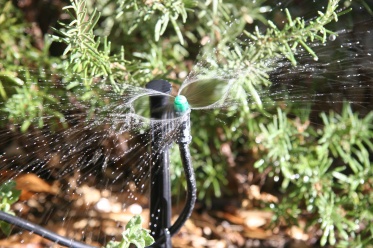
IrrigationDrip-Sprinkle-W       Water conservation is of the utmost importance during our dry summer months. Water where it counts, at the roots, not the leaves. Drip irrigation systems in landscape beds do wonders for water conservation and are easy for the homeowner to install. Trees and shrubs would also benefit from a deep root watering this time of year. You can use a deep root feeder (without the fertilizer) for this purpose. Water plants around the drip line for best success. Doing this every 2-3 weeks is beneficial. When you mow your grass, cut it less frequently and at a higher level. Longer grass blades shade the soil and conserve moisture. Plant drought tolerant, native plants where possible.
Native plants are becoming a true staple in the landscape.Garden_Porch_Hanging_Baskets_PW

      Check your plant containers daily for water. Hanging baskets will need a drink at least once a day, sometimes even twice a day, depending on the weather. Provide water in the garden for birds during dry weather and they will repay you with wonderful antics and bird song. Enjoy nature and your gardens this summer. You will not regret it.

See you in the Garden,
Sandi Hillermann McDonald