4/3/20

Tips for the Garden - April 2020


            Vegetable gardening is making a comeback, and this new fascination is like the Victory Garden rage of yesteryear. Not just because of COVID-19, another contributor to this fascination is the fact that more and more people are concerned with what they put on the family table. When you grow it yourself, you control what goes in the soil and on the plants, and you get to pick a much broader selection of vegetable varieties. They taste a whole lot better home grown.
            If you’re thinking of growing a vegetable garden this year, you are not alone. Start small and expand as your interest and time permit. No summertime garden is complete without tomatoes. Also, bush cucumbers will fit in small gardens, and so will the bush summer squash varieties. They can be planted in nontraditional garden areas like flowerbeds or as a small addition to the landscape. You can interplant lettuce plants with your impatiens and harvest them long before the impatiens covers the area. You’ll get some salad greens and kill two birds with one stone. Taking care of the impatiens ensures the lettuce is never neglected. In short, a vegetable garden can find its way into every area of your home’s landscape - whether it’s confined to its own area, combined into the annual or perennial gardens that you already have, or planted in containers on your deck or patio - it will provide the ultimate in fresh vegetable taste, and the safest vegetables you can produce for your family table.

            Hang out your hummingbird feeders the first of this month. Use a solution of 1-part sugar to 4 parts water for the nectar. Change the solution frequently to keep it from fermenting. Food coloring is NOT needed, nor is it recommended for the birds. Asparagus and rhubarb harvest can begin!! Keep your hoe sharp. Start cucumber, squash, and cantaloupe and watermelon seeds indoors this month. The last week of April is a good time to try an early sowing of warm season crops in the garden such as green beans, sweet corn, etc. You can begin to plant transplants of tomatoes, eggplants, peppers, and sweet potatoes outdoors now. This can continue through the month of May. This is truly the year of the garden. So, reap your own harvest and enjoy the scrumptious flavors of your own produce. Remember, that Natural Gardening will keep your family safe, so check out what organic options are available to you! There are many.


Enjoy!  See you in the garden……Sandi Hillermann McDonald

3/11/20

Tips for the Garden - March 2020


          Spring is almost here!!!!!!  What a wonderful feeling to be able to spend more time outside enjoying what Mother Nature is unfolding before our eyes. The lengthening of days is a welcome site and the warming sun on our faces is also a very great feeling.

Mowing time is around the corner.  Thin spots and bare patches in the lawn can be over seeded now if you don’t intend to use a crabgrass pre- venter on your lawn. Last summer’s heat and drought may make this a necessity this spring, if you missed the opportunity last fall.

          If you don’t over seed, now is the time to apply Fertilome Crabgrass + Lawn Food. We have long summer seasons here and recommend that you make two applications of this product (4-6 weeks apart) to keep your yards crabgrass free this summer. 

          Begin spring cleanup of perennial beds now. Cut perennials to 3” above the ground. Remove damaged foliage and old flower stalks. Ornamental grasses and hardy hibiscus can be pruned back to 6” above the ground as well.

          Once flower beds have been cleaned up, re-mulching can be done. Be sure not to mulch on the crowns of plants. Dry feed beds with a granular fertilizer, such as Osmocote, and apply a pre-emergent if you do not plan to plant any flower seeds. Pre-emergent products will put down a barrier over your flower beds that keep weed seeds from germinating, making weeding an easier job this summer. Divide summer and fall blooming perennials now, along with ornamental grasses if you so desire.

          Plant/sow peas, lettuce, radish, kohlrabi, collards, turnips, potatoes, spinach, onion sets, beets, carrots, and parsley outside this month. Set out broccoli, cabbage, brussels sprouts, Chinese cabbage, cauliflower and pansy transplants now. This month is also great for setting out strawberries, blueberries, blackberries, grapes and fruit trees.

          Start seeds indoors this month for tomatoes, peppers and eggplants. And houseplants can still be repotted. Continue to check houseplants for over wintering insect populations.

          Nesting boxes for bluebirds can be set up as well as Purple Martin houses. Bluebird boxes are best at about 5’ off the ground on a fence post in the open with the entry hole facing away from prevailing winds. Purple Martins return to our zone 6 region between St. Patrick’s Day and the end of the month. So, now is the time to clean out those houses and be prepared.

          It is time to go, so we will “See you in the garden!!”
Sandi Hillermann McDonald

2/12/20

Tips for the Garden - February 2020


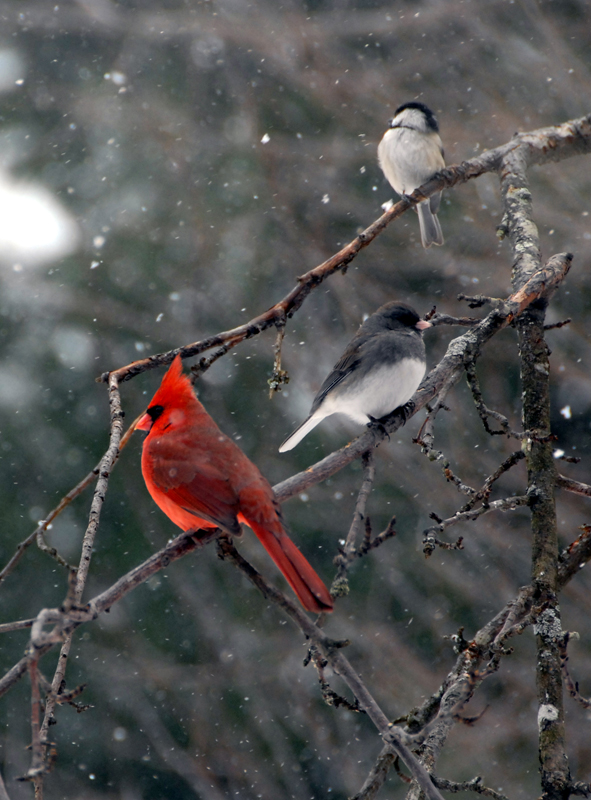
February is National Bird Feeding Month… this year the Audubon Society will be making national awareness of the decline of birds in North America. This awareness of loss of nature began more than several years ago with bees, then butterflies, to pollinators and this year will focus on the loss of birds and their habitat. The next will be frogs. Our world is losing nature and it’s help for human survival at an alarming rate. I truly hope by now that these declines in nature have hit home with you and that you realize that now it is time to do something about it ourselves. You will hear much more about these environmental efforts throughout the year. 

For winter care of birds one of the easiest things to provide is water. Providing shelter is another way to help. There is a shortage of nesting sites for cavity-nesting birds due to land development, and the use of pesticides. The use of birdhouses and nesting boxes has helped many species make a comeback. Landscaping that provides shelter can be a great help. Evergreen trees and shrubs provide a place out of the wind, snow or rain. Birds gather in groups towards the inside and huddle together to create more warmth.

The final piece of the puzzle is providing food. Here in Missouri, winter is a difficult time for the bird species that have chosen to overwinter here. There is little to no vegetation, and most of the insects are dead or dormant. Most songbirds feed on insects and spiders during the spring and summer; however, the non-migratory species switch to fruit and seeds in the fall and winter. Black oil sunflower seeds are preferred by the largest number of bird species. Enjoy the birds this season with these simple tips.

It is also time to think about starting any garden and flower seeds in the house that you may want to grow this year. Our last frost date is around May 1st, so back up the weeks on the calendar for seed starting so you know when the best time for planting in the house would be. Ample light is very important for this task.

Another cold weather job is cleaning up any containers or planters that you have stored away. While doing this, make a list of the flowers that you are going to need for these containers in the spring.

Until next month,    
Sandi Hillermann McDonald

12/30/19

Tips for the Garden - January 2020


OUR NEWEST ENVIRONMENTAL CHALLENGE

            It is hard to say who benefits more from backyard bird feeders - the birds or the people who feed them. Some of life’s more enjoyable moments include the songs and antics of the birds outside our windows. Watching them is so captivating that it can alter an entire day’s plans, turning a twenty-minute breakfast into a three-hour brunch. Activity at your feeders probably can hold your attention all day with its ever-changing pattern of form and color, from fluffed-up chickadees to sleek cardinals.  But yet I hear, where have all the birds gone?  I don’t have as many as I used to.

            Until recent years the brightest spot on the winter landscape, with the most activity, is the bird feeder in the backyard. No matter what size yard or garden you have, you can create your own bird haven. All you need are food, water, and shelter. Shrubs and evergreens are good, not only to offer cover during harsh northern winters, but also to protect birds from their natural enemies. I encourage you to look at your landscape and see what you can do to encourage wild bird habitat.

            Several years ago, there was a national call to ‘save the bees!’. The last two years it has remained bees, and the Monarch butterfly was added to the list. This year you will be reading quite a lot from the National Audubon society as well as other environmental groups that we should now be worried about the huge decline in our native bird numbers. Birds are very important to our ecological and environmental health. They too, are great pollinators, and help keep insects at bay.

            So, I ask you, to look around your neighborhoods and parks. Close your eyes and listen. Maybe not as melodious as it used to be? The ultimate bird songs so familiar as we were growing up, not as prevalent. Now is the time to act and plan to enhance your gardens and landscapes with beneficial plants such as native species that will feed our feathered friends. Let’s continue to increase the pollination process we need for good environmental health.

            Start this winter by offering food, water and shelter to our feathered friends. It is so easy to do, and we can help. Next spring add natives to the landscapes or containers, and we will be well on our way of enhancing our little piece of heaven here on earth.

            Happy New Year dear friends…
           

See you in the garden…
Sandi Hillermann McDonald


12/13/19

Tips for the Garden - December 2019


Tips for the Garden - December 2019


The month of December brings the holiday season and warm thoughts of family, friends and community. I would like to say “Thank You” and wish you and yours a “Blessed Holiday Season” with all the best in the New Year!

Fall will turn into winter this month. It may not always be the most comfortable time to be planting anything in your landscape, but it is a great time for the plants. Trees and shrubs are completely dormant now, so the concept of transplant shock does not apply. 

Trimming or pruning of some of your trees and shrubs can be done now. Basically, it breaks down like this, if the tree or shrub flowers before the 1st of June don’t touch it now. If it flowers after the 1st of June, you can safely cut it now. Resist the urge to cut back everything.

Here are a few tips on winter houseplant care. Flowering plants need at least half a day of direct sunlight. Cacti and many succulents require a sunny location, and crotons need direct sun to maintain the decorative color. The ideal temperatures for foliage plants are 68-70 degrees during the day and slightly lower at night. The amount of water the houseplants need declines during winter, so increase the amount of time between watering.  Reduce fertilizing as well.

Some of the plants in your landscape can help you decorate for the Christmas season as you prune them for next year. Holly and Boxwood can be trimmed now with some of the cuttings used to accent wreaths or live indoor plants. Some of the growth of evergreens such as White Pine, Norway Spruce, and even some of the seed heads of ornamental grasses can be used to make a harvest wreath or basket for your front door or porch. Talk about recycling! After Christmas, you can take them to your compost bin for future fertilizer!

Continue to feed our fine feathered friends and place heated birdbaths with fresh water out for them.

Again, I wish you and your family a very Blessed Christmas season. Let’s get to work on planning that beautiful garden scene for next year!

See you in the Garden…………..
Sandi Hillermann Mcdonald