9/14/19

Garden Solutions - September 2019

By Sandi Hillermann McDonald, Hillermann Nursery & Florist

Fall is almost here! Where did the summer go? The kids are back in school. The weather has been quite different this year compared to last year’s drought, heat, etc. It was a nice change considering normal summer weather for our area. I am sure you have heard the phrase “Fall is for Planting,” but do you know why we say this? Given the mild temperatures and generally adequate rainfall, the conditions are excellent for establishing new plantings. The result are plants that grow faster and bigger, and they bloom better. The plant’s root systems get a second growing season before they have to manage our hot, dry summers. Roots will continue to grow until freezing of the ground stops them.

Transform the entrance to your home into a welcoming, colorful fall display with potted mums, cabbage and kale, cornstalks, ornamental grasses, an assortment of pumpkins and squash, and maybe a scarecrow set on a hay bale.

Don’t forget spring flowering bulbs. Now is the time to get the best selection. You have until the middle of December to get them planted. Fall bulb varieties include Tulips, Hyacinths, Daffodils and Crocus to name a few.

September is THE lawn renovation month. Even though this year’s wetter summer was not as harsh on our lawns, now is the time to consider renovation and aeration. Aeration helps control thatch, improves the soil structure, helps create growth pockets for new roots, and opens the way for water and fertilizer to get to the roots of your lawn. Aeration is the process of removing thousands of small cores of soil 1” to 3” in length from your lawn. These cores “melt” back into the lawn after a few rainfalls. The holes in the soil created by aeration make perfect pockets for catching fertilizer and water. Turf roots naturally grow toward these holes and thicken in the process. Aeration holes also relieve pressure from compacted soils, letting more oxygen and water move into the root zone of your lawn.

Once aeration is done, it is time to over seed your lawn. Fescue lawn mixes tolerate heat, drought and traffic from kids and pets better. After seeding, top dress with a starter type fertilizer, and you are ready to enjoy a beautiful green lawn for fall and spring!

The fall of the year is perfect timing for tree planting. You should give some thought to choosing varieties for that special spot. Sun exposure, soil moisture, and the available growth space needs to be assessed to help with tree selection. So, plant a tree this fall. You will help the environment, lower your electric bills, and enhance your property value.

Here are a few other quick tips for this month. Begin to adapt your houseplants for winter indoors. Check for pests and treat if necessary. Houseplants should be brought indoors at least one month before the heat is normally turned on. Sow fall vegetable crops through mid September. Harvest herbs now to freeze or dry for winter.

See you in the Garden……
Sandi Hillermann McDonald

8/2/19

Garden Solutions - August 2019


            Here are a few health benefits of enjoying the great outdoors. Activities like carting mulch around in a wheelbarrow, digging in the soil, plus all that bending and lifting involved in planting really does burn calories. Studies show that depending on the activity, gardening can burn between 250 and 500 calories per hour. For many people gardening is a creative outlet, for others it is the change of scenery from the daily grind that makes a difference. Still others find that the satisfaction of reaping the rewards (those tasty fruits and vegetables, and beautiful flowers) of your efforts is what helps to reduce stress levels.

            We have been blessed with great moisture this year, even going into summer.  But water is important for Wildlife in your yard, as well as all new and established plantings.  So, keep a close eye on these things.


Here are additional tips for August:

  • Keep deadheading spent annual and perennial flowers for continued bloom.
  • Feed garden mums and asters for the last time.
  • Monitor plants for spider mite activity. To check for spider mites, hold a white piece of paper under a suspected branch. Tap on the branch and then run your hand across the paper. If you get red streaks, you have spider mites!
  • Prune to shape hedges for the last time this season.
  • Once bagworms reach full size, insecticides are ineffective. Pruning off and burning or discarding of large bags provides better control.
  • Watch for fall webworm activity.
  • Cultivate Strawberries and apply weed preventer immediately, after fertilizing to help with fall germinating weeds such as henbit or chickweed.
  • Pinch the growing tips of gourds once the adequate fruit set amount is achieved. This directs energy into the ripening fruits, rather than vine production.
  • Broccoli, cabbage and cauliflower transplants should be set out for the fall garden. Also, sow seeds of lettuce, radish, beans, beets, spinach and turnips now. (Spinach may germinate better if the seeds are refrigerated.)

Time to go...  See you in the Garden!!
Sandi Hillermann McDonald
www.hillermann.com


6/28/19

Garden Solutions – July 2019


Butterfly_Monarch_Caterpillar_Flowers_w  Tip for the month of July—Sit Back and Relax!! For many of us, the 4th of July date marks the beginning of the entertainment season. We plan, we phone, we shop, we decorate, we mow, we clean, we check supplies, we shop again, we cook, we carry lawn chairs and coolers outside, and we fret about the weather. When the guests arrive it, all starts over. Pouring, serving, clearing, fetching, and recycling can fill hours, if we let them. So, part of the planning needs to include ways to have some time for you to sit back and enjoy your party, too. Making your event a potluck will eliminate much of the shopping and cooking. Have everyone bring their own beverages. And finally, don’t mow. Your lawn will do better with foot traffic if it is left a little bit longer. Now that we have talked about having parties and enjoying your yard and garden, let’s get down to other tasks at hand for July.
>July Tips for the Garden 2008
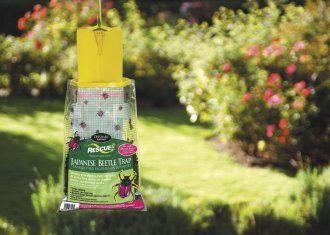
It’s not too late to plant shrubs, perennials and annual flowers, but you will need to give them a little TLC for the summer. If you have Japanese beetles, you have several options for controlling them, from handpicking (not my favorite) to trapping (the safest) or spraying them. Japanese beetle traps are readily available and do a fantastic job of eradicating the problem naturally.
Hot, dry weather is ideal for spider mite development. Damage may be present even before the webs are noticed. With spider mite damage, leaves may be speckled above and yellowed below. Evergreen needles appear dull gray green to yellow to brown. Spray with permethrin to control this critter. Sweet corn is ripe when the silks turn brown. Blossom-end rot occurs on tomato and peppers when soil moisture is uneven and the calcium level in the soil is not right. Adding lime to the garden soil will help these issues next year.
Related image
Water conservation is of the utmost importance during our dry summer months. Water where it counts, at the roots, not the leaves. Drip irrigation systems do wonders for water conservation and are easy to install. Trees and shrubs would also benefit from a deep root watering this time of year. You can use a deep root feeder (without the fertilizer). Water them around the drip line of the tree for best success. Water frequently enough to prevent wilting. When you mow your grass, cut it less frequently and at a higher level. Longer grass blades shade the soil and conserve moisture.  Plant drought tolerant, native plants where possible.
Check your plant containers daily for dryness. Put your finger at least one inch down in the soil, if it is dry, water thoroughly. Hanging baskets will need a drink at least once a day, sometimes even twice a day, depending on the weather. Provide water in the garden for birds during dry weather and they will repay you with wonderful antics and bird song. Enjoy nature and your gardens this summer. You won’t regret it.

See you in the Garden,
Sandi Hillermann McDonald

5/30/19

Garden Solutions June 2019

     Although I’ve never been accused of being short on words, there is often this blank in my mind about where to start the article. There can be so many things to discuss. This month I will begin with a reminder that June is National Perennial Gardening Month. Perennials include POLLINATOR plants to help save our butterflies, bees and birds.

     Past and present Perennials of the Year are usually great choices for anyone’s garden, as they are tried and true varieties. Check the Perennial Plant Association website at http://www.perennialplant.org/ for perennial plants of the year since 1991.

     Well, June is also the month of graduations, weddings, vacations, Father’s Day, and the beginning of summer. This is the month that we all begin to spend more of our free time outdoors, enjoying our gardens. If all of you have kept up with your tasks, then this month should be easy. However, if you are like me, June will be a month you can get caught up.

Here are garden tips for June:
- Watch for the outbreak of bagworms.
- Investigate the importance of Pollinators, and consider how you can help.
- Water turf as needed to prevent drought stress and watch for fungus problems.
- Mow lawns frequently enough to remove no more than one-third the total height per mowing.
- Continue enjoying the antics of the wildlife in your yard and gardens by continuing to supply
food and water sources for them.
- Change hummingbird nectar at least weekly to prevent fungus from growing. You can make your own nectar using 1-part sugar to 4 parts water---no food coloring please!
- Orioles (if you were lucky enough to keep them around) begin building a gray woven nest; this takes about a week.
- Watch for birds carrying food to their young.
- Gray squirrels begin a second breeding.
   
      Are you late getting planting started in your garden this year? YOU ARE NOT ALONE! As busy as we were this May, and as wet as the weather was, many people have commented that they haven’t even begun their planting. That’s okay - you still have time for many things. Fully enjoy your garden; it is the only true place to connect you to Mother Nature.

See you in the Garden……
Sandi Hillermann McDonald

5/3/19

Gardening Solutions – May 2019

      Times are changing and everyone is busier than ever; with kids to coach, meetings to attend and work to do. So “coming” home at the end of a day can be even more important to us than ever. Enjoy daylight savings time and extend your living quarters to your yard and garden. Think of your outdoor spaces as an extension of your home. And in doing so, consider the floor, walls, and ceiling per se. Outdoor fire pits, grill and bar centers, rugs, clocks, décor and more are available to add a cozy room effect to outdoor living spaces. Adding resting areas is easy to do… hang a hammock in a tree, set a bistro set in the perennial garden, or put benches in your hosta beds. Then invite friends over and have a cook out. Let the nature in your yard tickle your senses with the sounds of birds, smells of flowers, sound of running water, and splashes of color. Hardscapes can enhance your outdoor rooms by adding a “floor” to your area of enjoyment.
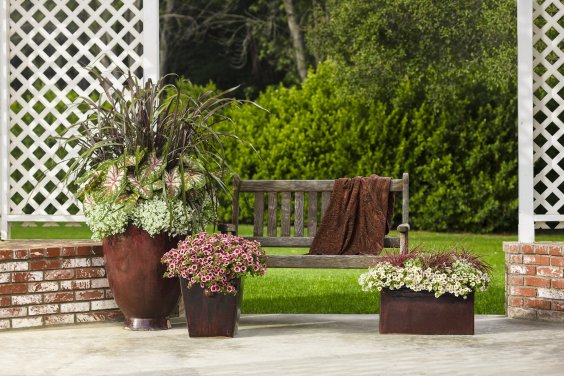
       Begin planting summer annuals to add color and spice to the landscape, and don’t just stop with the flowerbeds. Container gardening continues to be a trendy thing. The many choices, styles, shapes, and colors of containers make great accent pieces for inside or out. Learn to mix annuals and perennials for great combinations. Try hostas with impatiensbegonias and impatiens…. or hydrangeas with groundcovers. These containers can make great accent pieces on the front porch, the back deck, in a flower bed, around the pool, or at the end of the driveway. And you can rearrange them as often as you wish. No room for a vegetable garden? Try one in a container. You can enjoy fresh tomatoes
easily this way.
OutdoorLivingBenchContainers-PWs6x4       There are many safe options to treat pests in the yard and garden. Treat slugs in your garden with organic diatomaceous earth. This is a powder product, 100% safe, and is good for the treatment of slugs, ants, fleas and ticks outside, as well as roaches and ants indoors. Check out the chemical-free options available to you today. Then sit back and watch your kids and pets enjoy the beautiful outdoors.


Other May tips include:
– Plant hardy water lilies now.
– Begin fertilizing annuals now and continue at regular intervals all season long.
– Keep bluegrass lawns cut at 3” high, fescue lawns at 3.5” high and zoysia at 2” high.
– Apply post-emergence broadleaf weed controls to the lawn now if needed.
– Begin planting sweet corn, tomato plants, peppers and sweet potatoes as the soil warms up.
– Keep asparagus harvested for continued spear production.
– Remove rhubarb seed stalks as they appear.
– Birds eat many insects so attract them to your garden by providing good nesting habitats.
– Herbs planted in average soils need no extra fertilizer. Too much may reduce flavor and pungency at harvest.
– Watch for fireflies on warm nights. Both adults and larvae are important predators.
Until next month,…Enjoy connecting with nature and….see you in the garden….
Sandi Hillermann McDonald